Manufacturer: Flyhawk
Scale: 1/700
Additional parts: PE-Crew
Model build: Jun-Jul 2026
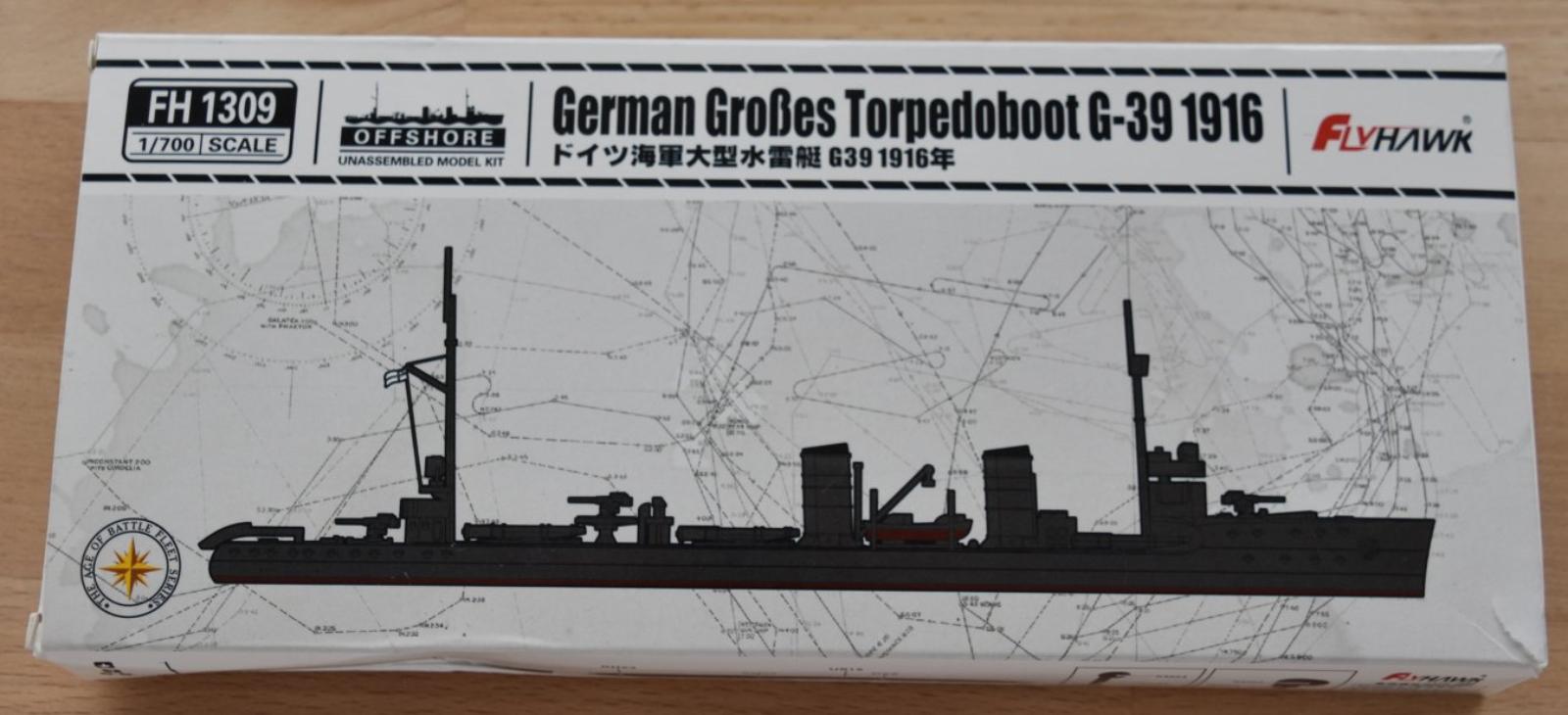
Manufacturer: Flyhawk
Scale: 1/700
Additional parts: PE-Crew
Model build: Jun-Jul 2026
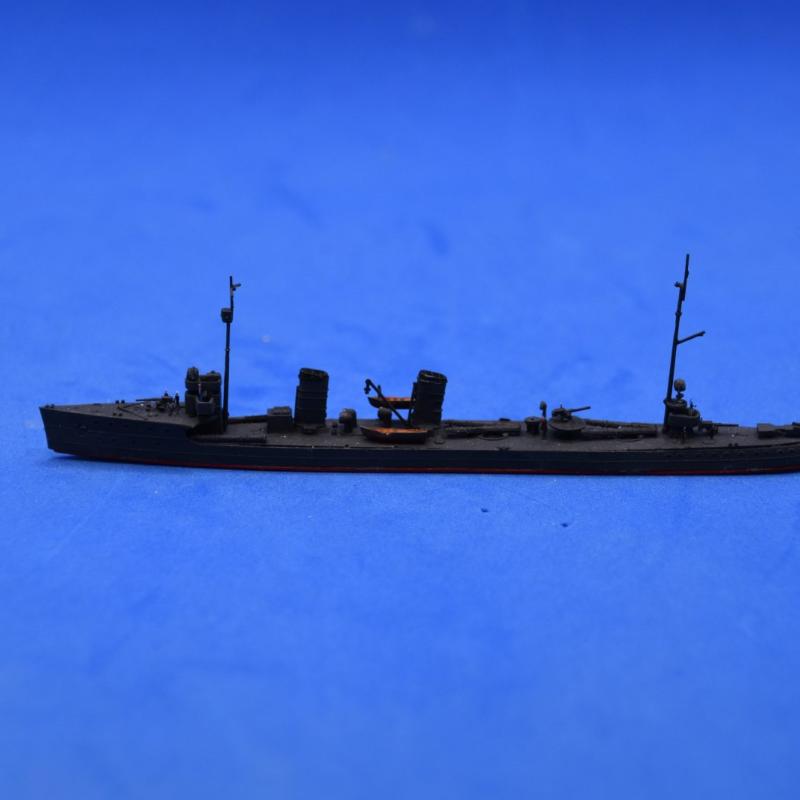
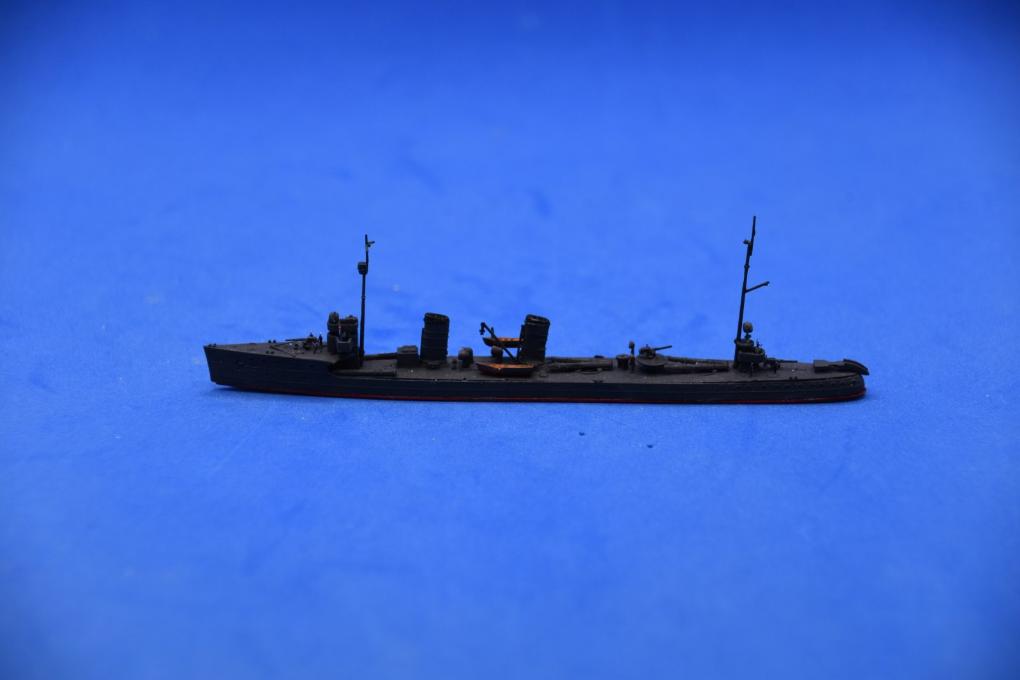
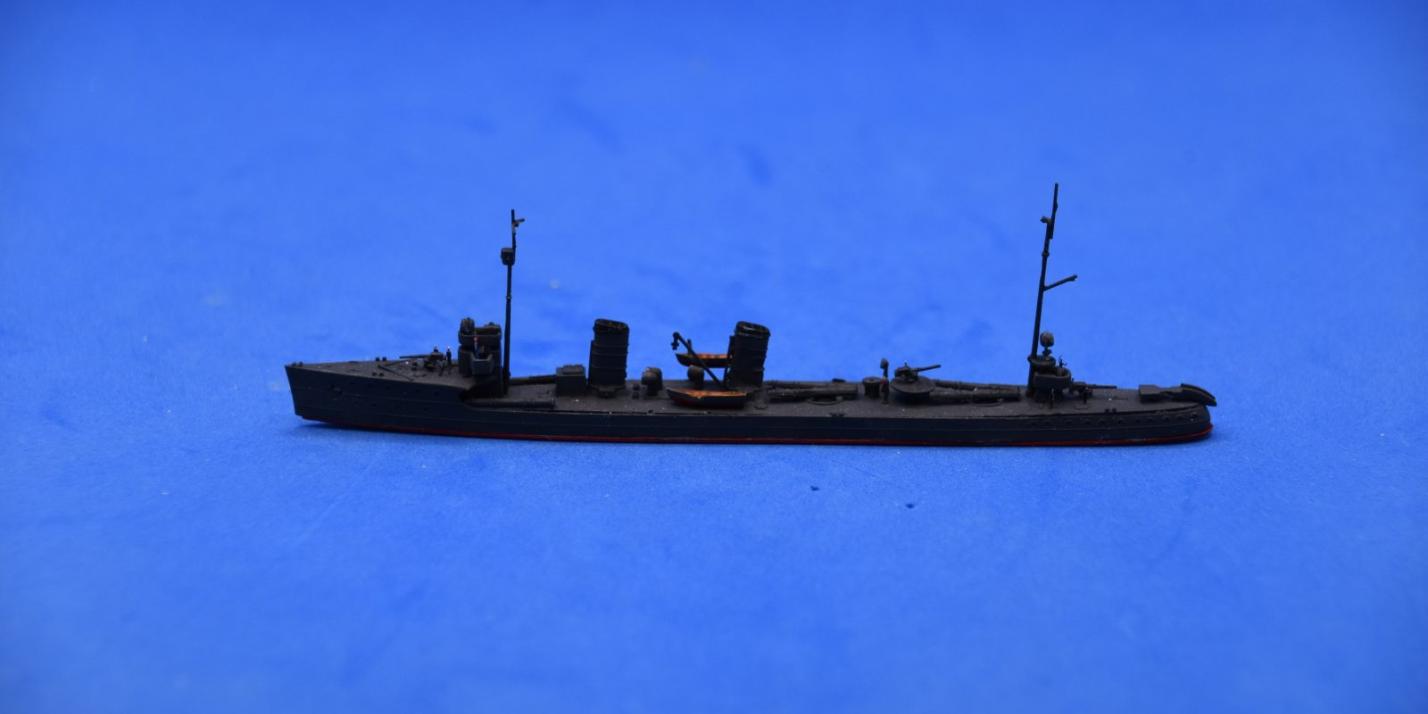
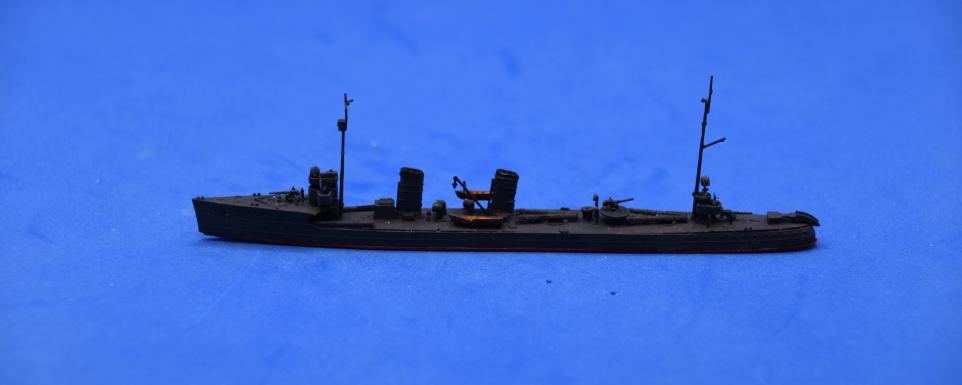
SMS G39 was a German Großes Torpedoboot (Large Torpedo Boat) of the Imperial Navy, built by Germaniawerft in Kiel during the First World War. She was launched on 16 January 1915 and commissioned on 20 August 1915 as part of the High Seas Fleet. Although officially classified as a torpedo boat, G39 was comparable in size and capability to the destroyers of other contemporary navies.
With a length of about 84.7 meters and a top speed of more than 33 knots, G39 was designed for fast and versatile operations. She was armed with three naval guns, six 50 cm torpedo tubes, and could also carry naval mines. Her primary roles included escorting battleships and battlecruisers, fleet screening, reconnaissance patrols, torpedo attacks, and mine-laying missions in the North Sea.
Throughout the war, G39 served with Germany's torpedo boat flotillas, protecting the High Seas Fleet during its operations against the Royal Navy. Like many of her sister ships, she endured the harsh conditions of North Sea warfare and survived the conflict.
After the Armistice in November 1918, G39 was interned with the High Seas Fleet at Scapa Flow. On 21 June 1919, her crew scuttled the vessel alongside the rest of the fleet to prevent its capture by the Allies. The wreck was salvaged in 1925 and later scrapped.
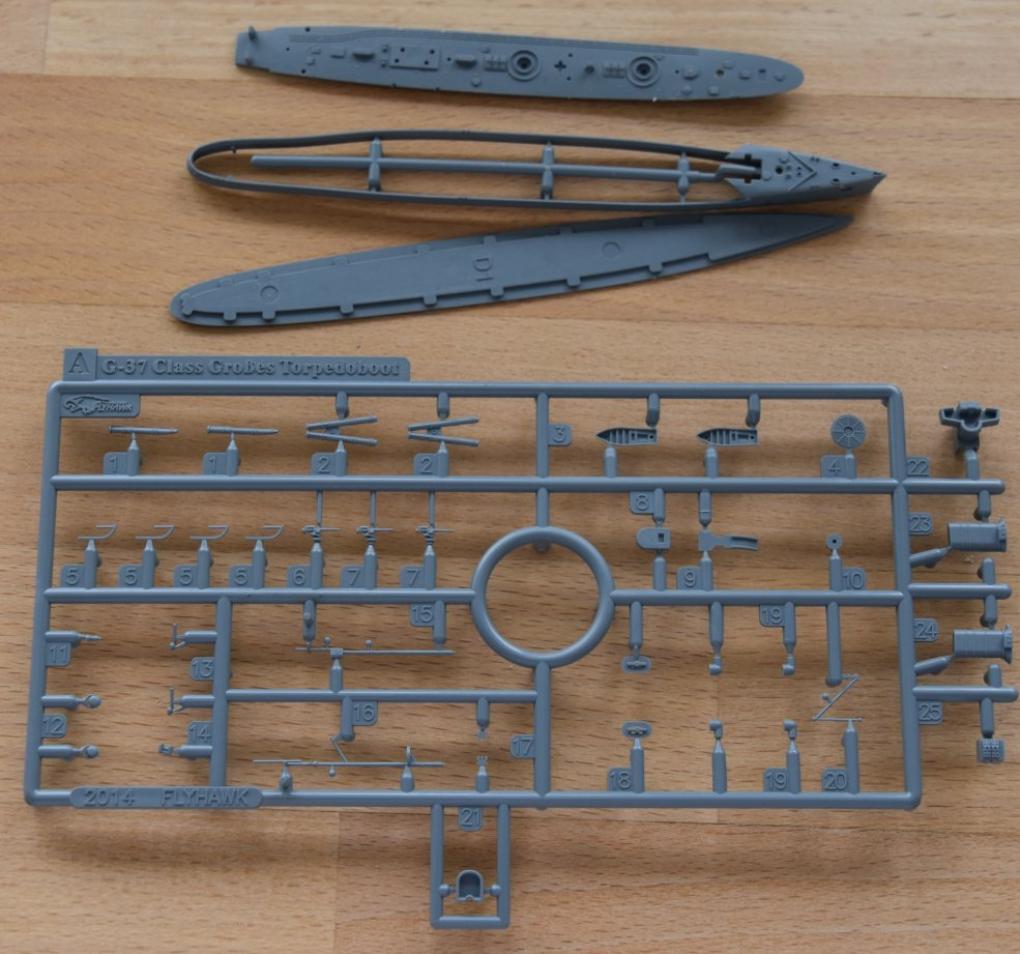
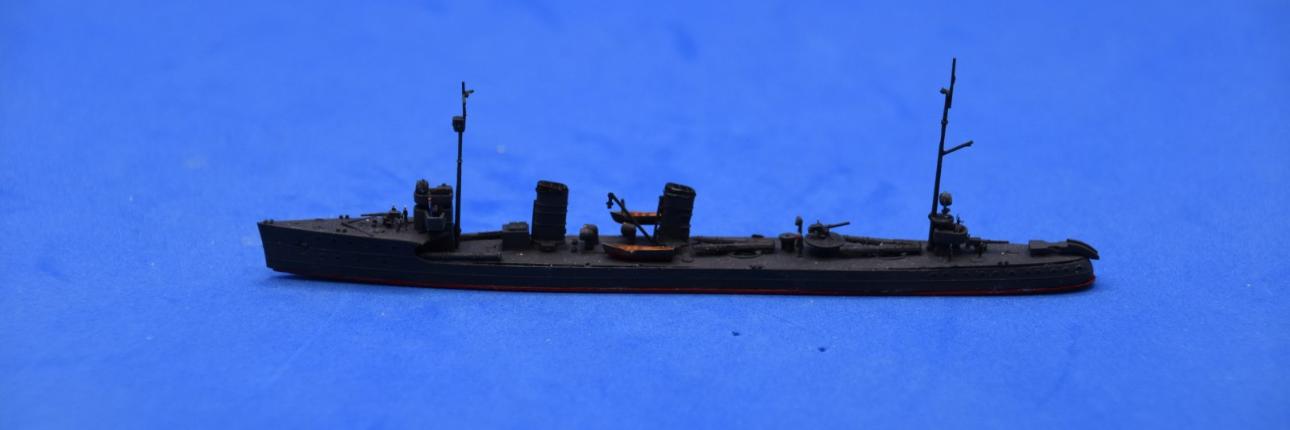
This 1/700 scale model of the German Großes Torpedoboot G39 by Flyhawk was my first build from this manufacturer. Although it is a relatively small kit, I was very impressed by its quality. The parts are sharply molded, the level of detail is excellent, and the fit is outstanding, making the build both enjoyable and straightforward.
Based on this experience, I am definitely looking forward to building more Flyhawk kits in the future. The only real setback came from the ever-hungry "carpet monster," which claimed a few of the tiny parts during the build. Fortunately, these losses were minor and did not prevent me from completing the model.
The model was painted using Revell Aqua Color paints and enhanced with additional photo-etched crew figures, adding a greater sense of scale and bringing the finished model to life.